
The Anne of Green Gables Series and the Life of Anne Shirley
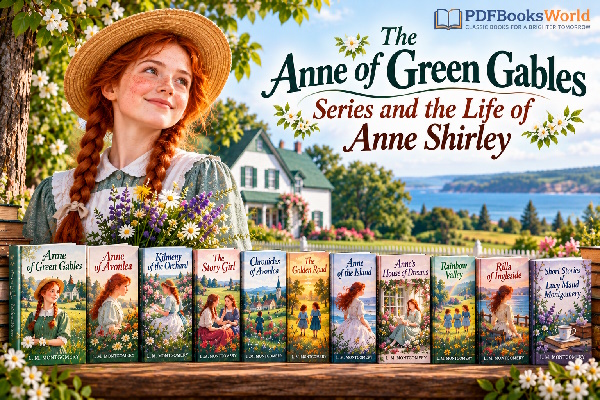
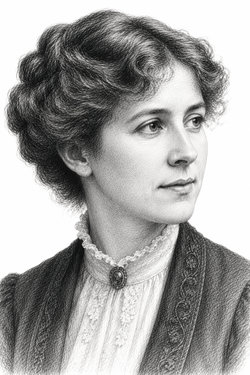
The Anne of Green Gables series is one of the most recognizable traditions in classic children's literature. Created by Lucy Maud Montgomery, the stories follow Anne Shirley as she grows from an imaginative and spirited girl into a young woman facing friendship, education, family responsibilities, changing ambitions, and the many experiences that accompany growing up. Montgomery combines humor, emotion, beautiful settings, and memorable relationships to create a literary world that continues to attract readers. The Anne books are particularly engaging because Anne changes with time while retaining the imagination, determination, and emotional energy that define her character.
PDFBooksWorld features several works by Montgomery, allowing readers to explore both the central Anne stories and other books connected with the author's wider literary career. Together, these titles provide an opportunity to see how Montgomery wrote about childhood, friendship, family, community, imagination, and personal development.
Lucy Maud Montgomery and the Creation of Anne Shirley
Anne Shirley is memorable because she experiences ordinary situations through an unusually imaginative mind. She can turn a familiar landscape into something magical, give special names to ordinary places, and become deeply involved in the emotions surrounding even small events. At the same time, Anne is not presented as perfect. She makes mistakes, reacts strongly, misunderstands situations, and sometimes allows her imagination to lead her into trouble.
These qualities make Anne's development feel natural. Her experiences gradually teach her about friendship, responsibility, patience, education, and relationships. Montgomery allows readers to see how a young person's personality can remain distinctive while becoming more mature through experience.
Anne of Green Gables and the Beginning of the Journey
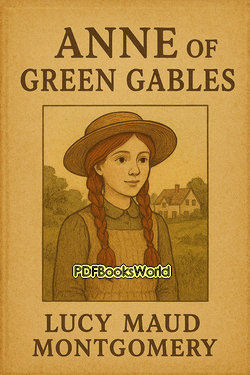
Anne of Green Gables introduces readers to Anne Shirley and the setting that becomes central to her life. Her arrival at Green Gables begins a new chapter in which she must adjust to unfamiliar people and surroundings. Her expectations often differ from reality, creating situations that are humorous, touching, and sometimes difficult. Anne's vivid imagination gives her a distinctive way of looking at ordinary events, while her strong emotions often lead her into situations that require patience and understanding. As she becomes familiar with her new home, the people around her gradually begin to understand her unusual personality and generous spirit.
The story is also deeply concerned with the meaning of home. Anne has experienced uncertainty before arriving at Green Gables, so the possibility of belonging becomes especially important. As she develops relationships with the people around her, Green Gables gradually becomes more than a physical location. It becomes a place associated with affection, security, friendship, and identity. Anne's experiences there show how a sense of belonging can develop slowly through everyday relationships, shared experiences, and mutual trust. This emotional connection to home becomes one of the foundations for the stories that follow.
Anne of Avonlea and a New Stage of Life
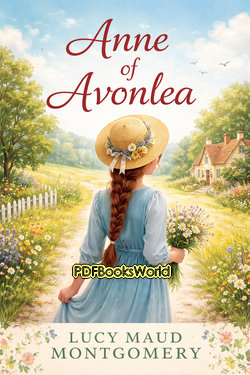
Anne of Avonlea continues Anne's story at a different stage of her development. New responsibilities encourage her to become more thoughtful and dependable while preserving the enthusiasm and imagination that readers already know. The story demonstrates how a continuing character can grow without losing the qualities that originally made the character appealing. Anne's changing role gives her opportunities to deal with people in new ways, solve problems, and understand that responsibility often requires more than enthusiasm alone.
The changing circumstances also allow Montgomery to introduce new people and experiences. Anne's world becomes broader, but earlier relationships and memories remain important. This mixture of continuity and change gives the series a strong sense of progression. Anne is no longer simply reacting to the events around her. She increasingly takes an active role in the lives of others, and her experiences show how growing older can bring both greater independence and greater responsibility. The familiar warmth of the earlier story remains while the narrative begins to explore more mature concerns.
Anne of the Island and Growing Independence
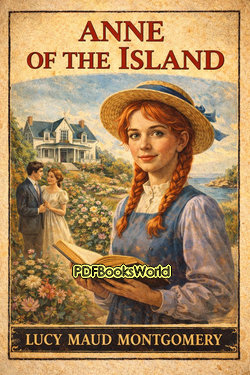
Anne of the Island moves Anne into another period of education, friendship, independence, and changing expectations. Her life is no longer limited to the experiences of childhood, and the decisions surrounding her future become increasingly important. New surroundings encourage Anne to think about the person she wants to become, while friendships continue to provide support, companionship, and opportunities for personal discovery. Her imagination remains an important part of her character, but her understanding of the world is becoming more mature.
The changing setting gives Montgomery room to explore how Anne responds when familiar surroundings are replaced by new opportunities. She remains connected to the people and memories that shaped her earlier life, but her perspective continues to develop as she encounters new responsibilities and possibilities. The story therefore becomes an important part of Anne's movement toward adulthood. Her experiences show that independence does not mean abandoning the people and places that matter to her. Instead, it involves carrying those relationships and memories into a changing stage of life.
Anne's House of Dreams and a More Mature Story
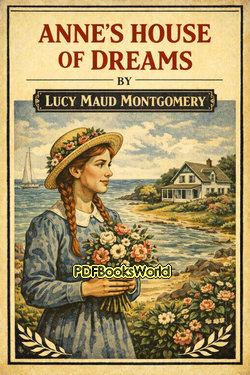
Anne's House of Dreams represents a more mature stage in the continuing story. The title suggests a period of hope and a settled home, but Anne's life continues to involve new responsibilities and experiences. Montgomery uses this stage to show that growing older does not remove uncertainty or emotional challenges. Instead, adulthood brings a different range of decisions and relationships that require patience, understanding, and emotional strength. Anne's familiar qualities remain visible even as the circumstances surrounding her become more complex.
The story also demonstrates how Anne's personality continues to influence her experiences. Her imagination, sensitivity, affection for others, and strong attachment to home remain important even as the circumstances of her life change. The idea of a dream home becomes connected with the deeper meaning of family and belonging rather than simply with a physical place. Montgomery uses this stage of Anne's life to show how hopes can develop and change as people gain experience. The result is a story that continues the series while giving Anne a more mature emotional world.
Rainbow Valley and the Next Generation
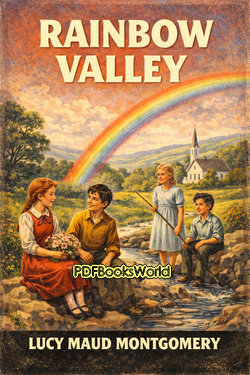
Rainbow Valley expands the literary world associated with Montgomery's characters and introduces readers to another stage of the continuing story. The focus on younger characters provides opportunities to explore childhood imagination, friendship, family life, and the influence of the community surrounding them. The younger generation brings a fresh energy to the familiar world, allowing Montgomery to revisit themes that have always been important to her while presenting them through different personalities and experiences.
The book also shows how a literary series can develop beyond the experiences of one central character. Familiar settings and relationships create continuity, while younger characters bring their own personalities and adventures into the wider world Montgomery created. Their experiences demonstrate that imagination and friendship remain important as new characters discover their surroundings and develop their own relationships. In this way, the story extends the sense of community that makes Montgomery's larger body of fiction feel connected and familiar.
Rilla of Ingleside and Changing Times
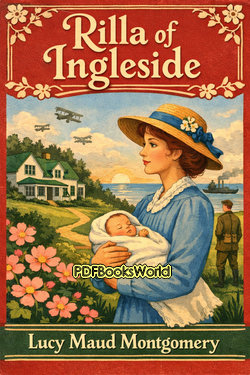
Rilla of Ingleside continues Montgomery's exploration of family and personal development through another generation connected with the Anne tradition. The story allows readers to encounter younger characters facing circumstances that require greater maturity and emotional strength. Rilla's experiences provide another perspective on growing up, family responsibilities, and the ways that unexpected circumstances can change a person's understanding of life. The familiar setting provides continuity while the focus on a younger generation creates a different emotional perspective.
The book illustrates how Montgomery could use a familiar literary world while changing the central concerns of the story. Family relationships, responsibility, personal decisions, and changing circumstances remain important, but the perspective shifts as the characters grow older. The continuing connections between generations help give the series a broader sense of time and development. Readers can recognize familiar elements while also seeing how different characters respond to the challenges and expectations of their own stage of life.
Chronicles of Avonlea and the Wider Community
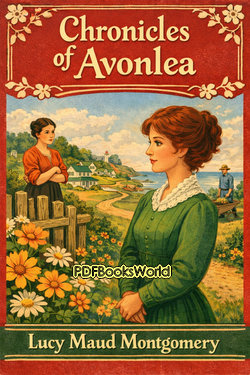
Chronicles of Avonlea gives readers an opportunity to explore the wider community surrounding the world associated with Anne. Instead of focusing exclusively on one continuous life story, the collection broadens attention toward different people and experiences. This approach allows Montgomery to show that a familiar community contains many individual stories, each with its own relationships, hopes, difficulties, and moments of humor. The wider perspective adds depth to the literary world that readers first encounter through Anne.
This wider perspective demonstrates Montgomery's ability to find interesting stories in community life. Small events, relationships, personal hopes, and everyday experiences can all become meaningful subjects when viewed through her warm and imaginative style. The collection also helps readers appreciate how a setting can become almost like a character in its own right, providing a shared background for different lives. By moving beyond one central protagonist, Montgomery creates a richer picture of the people and experiences connected with Avonlea.
The Story Girl and the Power of Storytelling
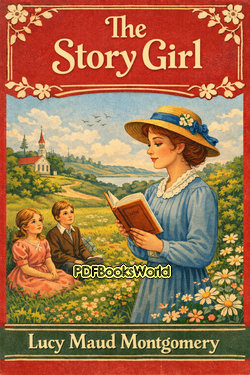
The Story Girl explores another side of Montgomery's interest in childhood, imagination, friendship, and storytelling. The ability to tell and enjoy stories becomes an important part of how young characters understand their surroundings and one another. Storytelling creates shared experiences and gives the characters a way to transform ordinary moments into memorable adventures. It also demonstrates how imagination can influence the way young people understand both the world around them and the relationships they share.
The emphasis on storytelling also reflects one of Montgomery's recurring interests as a writer. Imagination can transform ordinary experiences into memorable ones, allowing characters to create shared experiences and develop stronger connections with the people around them. Stories become more than entertainment because they help characters communicate feelings, remember experiences, and see familiar situations from different perspectives. This focus makes the book particularly useful for readers interested in Montgomery's wider approach to childhood and the creative power of imagination.
The Golden Road and Childhood Memories
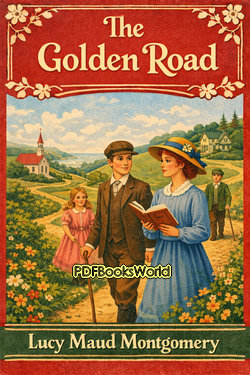
The Golden Road continues Montgomery's exploration of youth, companionship, imagination, and the experiences that become important memories. The title reflects the warmth often associated with looking back on childhood adventures and shared moments. The story gives attention to the ways young people experience time, friendship, and everyday events, showing how seemingly simple experiences can become important when remembered later. Montgomery's attention to small details helps create a sense of warmth and familiarity.
Like other Montgomery stories, the book finds significance in ordinary experiences. Friendships and small adventures can become lasting memories, especially when characters experience them together. This focus helps explain the continuing appeal of Montgomery's writing about young people. Her stories recognize that childhood is made up not only of major events but also of conversations, shared discoveries, games, mistakes, and moments of imagination. These details create the emotional richness that allows readers to connect with the characters and their memories.
Kilmeny of the Orchard and a Different Montgomery Story
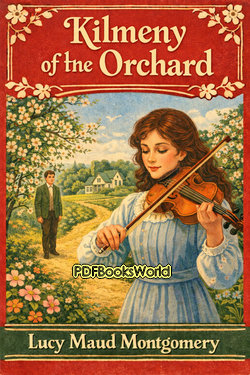
Kilmeny of the Orchard gives readers a chance to move beyond the familiar Anne-centered setting and experience another Montgomery story. The book reflects the author's broader interest in relationships, emotional experience, nature, and the influence of surroundings on people's lives. Its setting and characters provide a different way to appreciate the author's ability to combine personal relationships with a strong sense of place. Readers familiar with Anne can therefore discover another side of Montgomery's storytelling.
Including works such as this alongside the Anne books helps readers appreciate Montgomery as a writer with interests extending beyond one famous character. Her writing repeatedly returns to relationships, personal feelings, natural settings, and the experiences that shape individual lives. Exploring these additional works can make the Anne books themselves more interesting because readers begin to recognize recurring concerns in Montgomery's wider literary output. The result is a fuller picture of an author whose imagination reached well beyond a single fictional community.
Short Stories of Lucy Maud Montgomery and Her Wider Work
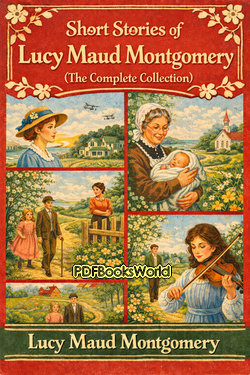
Short Stories of Lucy Maud Montgomery provides another way to explore the author's writing beyond her longer character-centered stories. Short fiction allows Montgomery to present individual situations, relationships, emotions, and moments of everyday life in a more compact form. These stories provide a useful opportunity to see how she could establish a setting, introduce characters, and create an emotional situation without relying on the extended development of a full-length novel.
For readers who know Montgomery primarily through Anne Shirley, her short stories offer an opportunity to discover the range of subjects and settings she explored throughout her writing career. They also demonstrate how effectively she could create memorable situations within a shorter narrative. Reading these works alongside the Anne books can reveal recurring interests in relationships, community, imagination, and personal experience while also showing how Montgomery adapted her storytelling to different lengths and situations.