
Gothic Literature: Dark Stories, Mystery, and the Supernatural
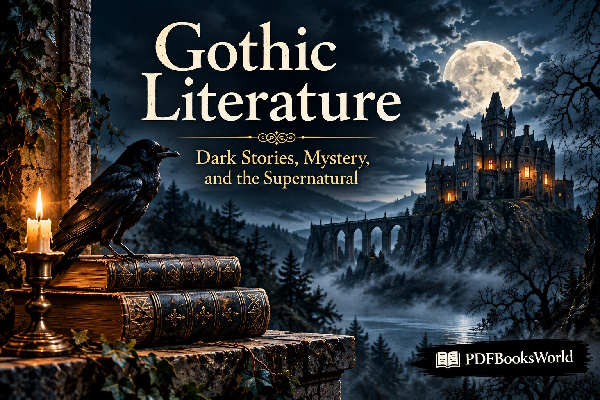
Gothic literature is one of the most recognizable and enduring genres in classic fiction. It combines mystery, suspense, fear, romance, and the supernatural to create stories filled with unusual settings and unforgettable characters. Old castles, lonely houses, dark forests, secret rooms, family mysteries, and unexplained events are common elements of Gothic stories. Yet Gothic literature is about more than frightening scenes. Writers use the genre to explore human fears, hidden desires, guilt, isolation, ambition, and the conflict between reason and the unknown. Readers can explore more classic literature and discover how different genres have shaped timeless storytelling.
What Is Gothic Literature?
Gothic literature developed as a distinctive literary style in the eighteenth century and became especially popular through novels and short stories filled with suspense and mystery. The genre often places characters in strange or threatening surroundings where they encounter secrets from the past. A Gothic story may include ghosts, mysterious visitors, unexplained sounds, ancient family histories, or supernatural events, although not every Gothic work depends entirely on the supernatural.
One of the defining features of Gothic fiction is its atmosphere. Writers carefully create uncertainty through descriptions of dark buildings, isolated landscapes, storms, shadows, abandoned places, and unfamiliar surroundings. This atmosphere makes readers feel that something important or dangerous may be hidden beneath the surface. The genre continues to overlap with horror literature, particularly when fear and supernatural danger become central to the story.
Dark Settings and Mysterious Places
Setting plays an important role in Gothic literature. A castle, mansion, monastery, or old country house can become almost as important as the characters themselves. Such places often contain locked rooms, secret passages, forgotten documents, family portraits, or other clues connected to an earlier mystery.
One of the earliest important examples is Horace Walpole's The Castle of Otranto. Its mysterious castle, family secrets, strange events, and threatening atmosphere helped establish many features associated with the Gothic tradition. Readers interested in the author can also explore Horace Walpole and his place in the development of Gothic fiction.
These settings create a feeling of isolation. Characters may be far from ordinary society and unable to easily seek help. The physical environment therefore increases suspense while also reflecting the emotions of the characters. A dark and neglected house, for example, may suggest a troubled family history or unresolved conflict.
The Supernatural and the Unknown
The supernatural is one of the best-known elements of Gothic fiction. Ghosts, strange visions, mysterious creatures, unexplained events, and seemingly impossible occurrences can create uncertainty for both characters and readers. However, Gothic writers often leave room for doubt. An event may have a supernatural explanation, or it may be caused by fear, imagination, coincidence, or human deception.
Mary Wollstonecraft Shelley's Frankenstein is an important example of Gothic literature that combines frightening elements with questions about science, responsibility, ambition, and human nature. The novel examines what can happen when a person attempts to cross boundaries that are not fully understood. Readers can explore Mary Wollstonecraft Shelley to discover more about the writer behind this influential work.
Gothic fiction can also move directly into supernatural horror. Bram Stoker's Dracula presents vampires, mystery, fear, and darkness through an unforgettable story that has influenced generations of readers. The work is also connected with the broader Horror category represented in the PDFBooksWorld library.
Gothic Romance and Human Relationships
Romance is another important part of many Gothic stories. Characters may develop strong emotional attachments while facing secrets, family conflicts, social restrictions, or mysterious dangers. Love can provide hope, but it can also create vulnerability and uncertainty. This combination of emotional relationships and dark surroundings gives many Gothic novels their distinctive character.
Charlotte Brontë's Jane Eyre combines romance with Gothic settings, hidden secrets, and emotional suspense. The novel also explores independence, morality, social position, and personal identity. Readers interested in the author can explore Charlotte Brontë and discover more about her contribution to classic literature.
Emily Brontë's Wuthering Heights offers another powerful combination of emotional intensity, isolation, revenge, and haunting atmosphere. Its characters experience relationships shaped by passion, conflict, and unresolved emotions. The work is also classified under the PDFBooksWorld Classics collection.
Fear, Isolation, and the Human Mind
Gothic literature often explores psychological fear as much as physical danger. Characters may become isolated, uncertain, suspicious, or increasingly afraid of what they cannot understand. This allows writers to examine how fear changes people's decisions and relationships.
Edgar Allan Poe became famous for stories that explore darkness, mystery, guilt, obsession, and psychological tension. The Fall of the House of Usher is a particularly strong example of his Gothic storytelling, using a decaying house, disturbing events, and psychological unease to create an atmosphere of dread.
Poe's The Cask of Amontillado explores revenge and deception through a short but intense Gothic narrative. His The Masque of the Red Death similarly combines symbolism, fear, isolation, and an atmosphere of impending danger.
Readers who want to explore more of Poe's writing can visit Edgar Allan Poe, whose works span several literary categories. His writing also demonstrates how Gothic storytelling can overlap with psychological fiction and other forms of literary exploration.
Ghost Stories and Supernatural Suspense
Not every Gothic story focuses on monsters or vampires. Ghost stories can create suspense through uncertainty, suggestion, and psychological fear. The possibility that a supernatural presence may exist is often enough to make an ordinary location feel threatening.
Henry James's The Turn of the Screw is an important example of psychological and supernatural suspense. The story leaves readers questioning what is actually happening and whether the frightening experiences have a supernatural explanation. It is also associated with the PDFBooksWorld Ghost category.
Famous Gothic Books and Writers
Many important authors have contributed to the development and popularity of Gothic literature. Horace Walpole helped establish the early Gothic novel, while Mary Wollstonecraft Shelley brought together Gothic atmosphere and philosophical questions. Edgar Allan Poe developed psychological fear and dark suspense through his stories and poetry, while Bram Stoker created one of the most enduring vampire narratives.
Charlotte Brontë and Emily Brontë also demonstrated how Gothic elements could be combined with romance, family conflict, personal identity, and social questions. Their novels show that Gothic literature is not limited to straightforward horror. It can also provide a powerful way to explore relationships and human emotions.
Oscar Wilde's The Picture of Dorian Gray offers another example of dark literary storytelling. Its themes of beauty, morality, corruption, and hidden identity give the novel a distinctive atmosphere while connecting Gothic ideas with broader literary fiction. Readers can explore Oscar Wilde for more information about the author and his works.
Why Gothic Literature Remains Popular
Gothic literature continues to attract readers because it combines entertainment with deeper questions about human nature. Its stories can be frightening and mysterious while also examining loneliness, ambition, love, revenge, guilt, identity, and social expectations. The genre gives writers an opportunity to explore the unknown and challenge the boundaries between reality and imagination.
The continuing presence of works such as Dracula and Frankenstein demonstrates the lasting appeal of stories that combine fear with memorable characters and deeper ideas. Readers can also explore other titles in the Horror collection to discover more stories connected with Gothic traditions.
Discover More Gothic and Classic Literature
Gothic literature offers many different paths into classic reading. Some readers may prefer supernatural horror, while others may enjoy psychological suspense, mysterious settings, tragic relationships, or stories about human ambition. Exploring different books and authors can reveal how flexible the Gothic tradition has become.
Readers interested in discovering more authors can browse the Famous Authors section of the PDFBooksWorld blog. Those who want to explore different types of literature can also visit the Literary Genres section, while our Reading Guides provide additional ways to find books suited to different interests.
Discover the World of Gothic Literature
From mysterious castles and haunted houses to psychological fear and unforgettable romances, Gothic literature offers many ways to experience classic storytelling. Its combination of atmosphere, suspense, mystery, supernatural elements, and human emotion has allowed the genre to remain influential across generations.
At PDFBooksWorld, readers can explore curated editions of classic works and discover the authors and stories that helped shape Gothic literature. Whether you begin with a famous vampire story, an early Gothic novel, a psychological ghost story, or a dark tale of revenge, the genre offers a fascinating journey into the mysterious side of classic literature.