
20 Classic Books That Explore the Meaning of Life
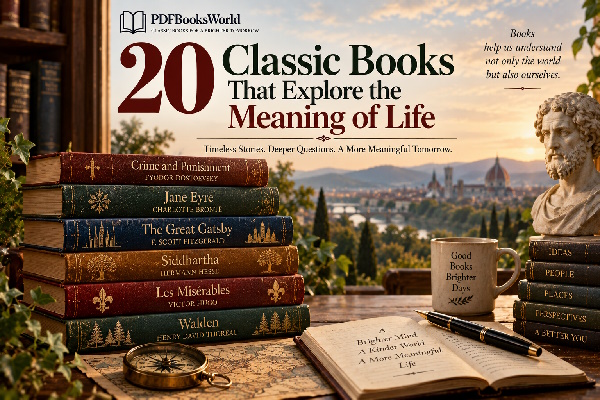
Classic literature does more than tell memorable stories. Many great books explore important questions about life, identity, morality, freedom, love, suffering, and human purpose. From the psychological depth of Crime and Punishment to the personal struggles described in Jane Eyre, these works encourage readers to think about their own choices and the world around them.
Some novels examine the difficulties of society, while others focus on personal ambition, relationships, faith, or the search for happiness. Their ideas remain meaningful because the questions they raise are part of the human experience. Readers interested in classic literature can discover stories that offer both entertainment and thoughtful reflection.
20 Classic Books About Life and Human Experience
- Crime and Punishment by Fyodor Dostoevsky
This powerful novel explores guilt, morality, suffering, and redemption through the experiences of a young man who commits a serious crime. It examines the psychological consequences of personal choices. - War and Peace by Leo Tolstoy
Set during the Napoleonic Wars, this expansive novel explores love, family, history, death, and the search for meaning. Its characters question ambition, destiny, and the forces shaping human life. - Siddhartha by Hermann Hesse
Siddhartha follows a young man searching for spiritual understanding and inner peace. The story explores self-discovery, experience, wisdom, and the importance of finding one’s own path. - The Brothers Karamazov by Fyodor Dostoevsky
This philosophical novel examines faith, doubt, free will, family conflict, and moral responsibility. Its characters confront difficult questions about God, suffering, and human nature. - Jane Eyre by Charlotte Brontë
Jane Eyre tells the story of a woman seeking independence, dignity, love, and personal integrity. The novel explores the importance of self-respect and remaining true to one’s values. - Great Expectations by Charles Dickens
Through Pip’s journey from humble beginnings to social ambition, the novel explores wealth, identity, loyalty, and personal growth. It questions whether social success truly brings happiness. - The Picture of Dorian Gray by Oscar Wilde
This dark and imaginative novel examines beauty, pleasure, morality, and the consequences of selfish choices. Dorian’s story reveals the dangers of valuing appearance above character. - Frankenstein by Mary Shelley
Frankenstein explores scientific ambition, responsibility, loneliness, and the consequences of creation. It raises questions about what makes someone human and how society treats outsiders. - The Great Gatsby by F. Scott Fitzgerald
This famous novel examines ambition, wealth, love, illusion, and the pursuit of an idealized future. It questions whether material success can provide genuine fulfillment. - The Old Man and the Sea by Ernest Hemingway
The story of an aging fisherman reflects courage, endurance, dignity, and the struggle against nature. It presents a thoughtful view of perseverance even when success is uncertain. - Man’s Search for Meaning by Viktor E. Frankl
Combining personal experience with psychological reflection, this book considers suffering, purpose, and inner freedom. It explores how people may search for meaning during extremely difficult circumstances. - The Alchemist by Paulo Coelho
This modern classic follows a young shepherd pursuing a dream and discovering lessons about courage, destiny, and self-belief. Its central message encourages readers to reflect on their own aspirations. - Middlemarch by George Eliot
Middlemarch presents the lives, ambitions, relationships, and disappointments of people in a provincial community. It explores how personal choices, social expectations, and circumstances influence happiness. - The Stranger by Albert Camus
This philosophical novel follows a detached man whose experiences challenge conventional ideas about morality and society. It explores alienation, absurdity, and the search for meaning in an uncertain world. - Les Misérables by Victor Hugo
Through themes of poverty, justice, compassion, and redemption, this novel explores the possibility of moral transformation. Its characters reveal the relationship between personal choices and social conditions. - Little Women by Louisa May Alcott
The March sisters grow through family challenges, personal ambitions, love, and disappointment. The novel explores maturity, kindness, independence, and the different ways people seek fulfillment. - The Count of Monte Cristo by Alexandre Dumas
This adventure-filled novel examines betrayal, revenge, justice, and forgiveness. Its central character must consider how power and vengeance affect identity and personal happiness. - Walden by Henry David Thoreau
Walden reflects on simple living, nature, independence, and the pressures of society. It encourages readers to think carefully about material possessions and the meaning of a purposeful life. - The Death of Ivan Ilyich by Leo Tolstoy
This short but profound work follows a successful official confronting his mortality. It questions superficial ambition and explores what makes a life genuine and meaningful. - Don Quixote by Miguel de Cervantes
Through the adventures of an imaginative gentleman and his companion, the novel explores dreams, reality, identity, and human idealism. It asks how people create meaning through the stories they believe.
Why These Classic Books Still Matter
These books remain valuable because they explore experiences that continue to shape human life. Questions about ambition, relationships, justice, freedom, and personal identity appear in every generation. Although the settings and social conditions may be different, readers can still recognize the emotions and conflicts experienced by the characters.
Books such as Crime and Punishment, Frankenstein, and The Great Gatsby encourage readers to consider the consequences of personal decisions. Other works, including Jane Eyre and Little Women, focus on independence, emotional strength, and the importance of personal values.
Readers who enjoy stories about ambition, relationships, and social expectations may also explore Pride and Prejudice and Tess of the d’Urbervilles. These novels show how personal choices and social pressures can influence the direction of a person’s life.
Discover More Thoughtful Classic Literature
Reading classic literature is an opportunity to explore different cultures, historical periods, philosophies, and approaches to storytelling. Some books offer dramatic adventures, while others provide quiet reflections on human nature and personal purpose. Readers can begin with shorter works and gradually explore longer novels through our reading guides and literary recommendations.
At PDFBooksWorld, readers can explore curated editions of classic authors and discover books that offer memorable stories, meaningful themes, and lasting literary value. You can also browse our famous authors collection and book lists to find more reading suggestions. Choose a title that interests you and begin a reading journey through the ideas and experiences that have shaped classic literature.