
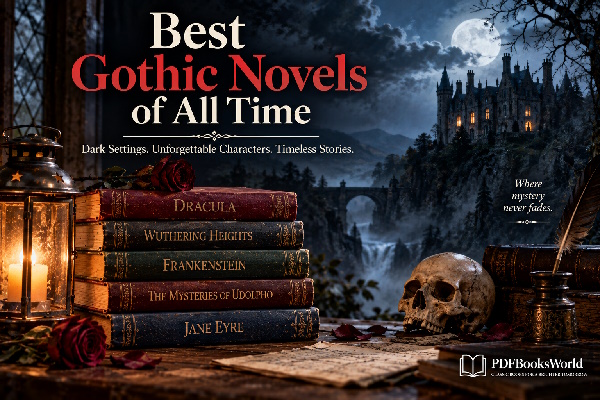
Gothic literature has fascinated readers for generations with its mysterious settings, dark atmosphere, supernatural events, and unforgettable characters. The best Gothic novels combine suspense with emotional and psychological themes, creating stories that remain engaging long after they are finished. From haunted castles to strange scientific experiments, these books offer a unique reading experience for anyone interested in classic literature.
Whether you enjoy mystery, horror, romance, or stories about human nature, Gothic fiction offers many different experiences. The following novels represent important examples of Gothic storytelling and continue to attract readers around the world.
Famous Gothic Novels to Explore
- Frankenstein by Mary Shelley
- Dracula by Bram Stoker
- The Picture of Dorian Gray by Oscar Wilde
- Wuthering Heights by Emily Brontë
- The Castle of Otranto by Horace Walpole
- The Mysteries of Udolpho by Ann Radcliffe
- The Turn of the Screw by Henry James
- Jane Eyre by Charlotte Brontë
- The Monk by Matthew Lewis
- The Strange Case of Dr Jekyll and Mr Hyde by Robert Louis Stevenson
- Northanger Abbey by Jane Austen
- The Old English Baron by Clara Reeve
- Carmilla by Sheridan Le Fanu
- The House of the Seven Gables by Nathaniel Hawthorne
- The Phantom of the Opera by Gaston Leroux
Classic Gothic Stories Filled with Mystery
Mary Shelley’s Frankenstein is one of the most influential Gothic novels ever written. It combines horror and imagination with questions about scientific ambition, responsibility, loneliness, and human nature. Bram Stoker’s Dracula offers a different kind of frightening experience, using vampires, suspense, mysterious locations, and supernatural danger to create an enduring horror story.
Oscar Wilde’s The Picture of Dorian Gray blends Gothic elements with philosophical questions about beauty, morality, temptation, and personal choices. The novel is both mysterious and thought-provoking, making it suitable for readers who enjoy stories with deeper meanings.
Gothic Romance and Psychological Suspense
Charlotte Brontë’s Jane Eyre combines romance, mystery, and atmospheric settings. Its isolated locations and hidden secrets add Gothic tension to a story about independence, love, and personal strength. Emily Brontë’s Wuthering Heights also uses a dramatic landscape and intense relationships to create an emotionally powerful reading experience.
Readers who prefer psychological suspense may enjoy Henry James’s The Turn of the Screw. This unsettling story leaves readers questioning what is real and what may be imagined. Robert Louis Stevenson’s The Strange Case of Dr Jekyll and Mr Hyde explores the divided nature of humanity through a disturbing transformation and a tightly developed plot.
Why Gothic Literature Remains Popular
Gothic novels continue to attract readers because they combine entertainment with important themes. Fear, secrecy, guilt, identity, obsession, and social expectations appear throughout the genre. Their dark settings and mysterious events create suspense, while their characters often reveal complicated aspects of human behavior.
Gothic literature also influenced modern horror, mystery, fantasy, and psychological fiction. Reading these classic works can help readers understand how earlier writers developed storytelling techniques that remain common in books, films, and television today.
Discover More Classic Literature
Readers who enjoy Gothic fiction can explore the Classic Literature section at PDFBooksWorld for more timeless stories. Our Famous Authors section also introduces writers whose works have influenced literary history. For additional reading recommendations, visit the Reading Guides section.
Exploring different Gothic novels is a wonderful way to discover mystery, suspense, romance, and imaginative storytelling. PDFBooksWorld offers a curated collection of classic books for readers who want to experience memorable stories from different literary traditions.