
Classic Detective Series and Their Famous Investigators
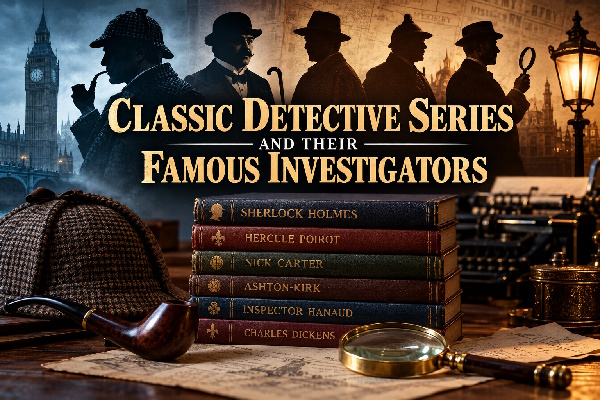
Classic detective literature has introduced generations of readers to investigators who rely on observation, reasoning, courage, persistence, and careful attention to detail. Some detectives work through carefully arranged clues, while others become involved in dangerous adventures where investigation is only one part of the story. The PDFBooksWorld catalog contains a wide selection of classic mystery and detective books representing several different traditions. Alongside the familiar world of Sherlock Holmes, readers can discover stories connected with Hercule Poirot, Nick Carter, Ashton-Kirk, and other investigators and detective figures. Together, these books show how writers created different approaches to mystery, crime, suspense, and investigation.
Sherlock Holmes and the Art of Observation

The Hound of the Baskervilles represents one of the most recognizable traditions in classic detective fiction. Sherlock Holmes approaches a difficult case through evidence, observation, and logical investigation, while the story adds an atmosphere of mystery and uncertainty. The isolated setting and mysterious legend create an unusual challenge for an investigator who must separate appearances from facts. Holmes cannot simply accept the explanations offered by other people. He must examine the circumstances carefully and determine which details are meaningful and which may be intended to mislead.
The story also demonstrates how a detective investigation can be combined with atmosphere and suspense. The setting creates a feeling of isolation, while the unusual circumstances surrounding the case make the truth difficult to establish. Holmes's investigative abilities provide a logical counterbalance to the mysterious elements of the story. This combination allows the book to appeal both to readers who enjoy solving mysteries and to those who appreciate the darker atmosphere of classic literature. It shows how detective fiction can move beyond a simple collection of clues and develop a memorable world around the investigation.
Hercule Poirot and the Search for Hidden Truth
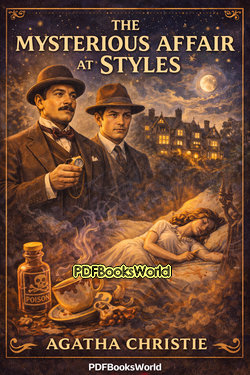
The Mysterious Affair at Styles introduces readers to Agatha Christie's celebrated detective tradition through an investigation involving hidden motives, suspicious circumstances, and carefully considered clues. Hercule Poirot approaches the mystery by examining the details surrounding the people involved rather than simply accepting the first explanation offered. His method depends on understanding the relationships between the suspects and recognizing inconsistencies that might otherwise be overlooked. The investigation gradually transforms apparently separate pieces of information into a more complete picture of what has happened.
The book is also important as an example of the recurring-detective structure. Once readers become familiar with Poirot's personality and investigative approach, later mysteries can introduce completely different situations while retaining a recognizable central figure. The mystery therefore becomes both a puzzle and a character-driven experience. Poirot's attention to evidence, motives, behavior, and contradictions gives the investigation its distinctive character, while the surrounding cast creates uncertainty about who can be trusted. The result is a classic detective story built around careful investigation rather than simple action.
Another Christie Mystery: The Murder on the Links
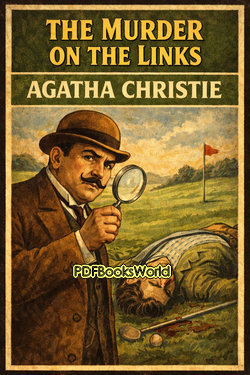
The Murder on the Links provides another example of Christie's approach to detective storytelling. The investigation develops through a mixture of clues, conflicting information, unexpected developments, and questions about the people connected with the crime. The appeal of this type of mystery comes partly from the gradual movement from uncertainty toward explanation. Readers are encouraged to consider what the evidence might mean while the investigator works through the details of the case. The setting and circumstances create additional questions, making it necessary to examine both the physical evidence and the behavior of those involved.
The book also illustrates why recurring detectives work so effectively in classic mystery series. The investigator brings an established method to a new problem, but the mystery itself remains unfamiliar. Readers therefore receive both continuity and surprise. The familiar investigative framework provides a sense of direction, while new suspects, motives, relationships, and circumstances create the uncertainty necessary for suspense. This balance between a recognizable detective and a new mystery became an important feature of classic detective storytelling.
Nick Carter and the Detective Adventure

The Traitors of the Tropics represents the more action-oriented side of the classic detective tradition associated with Nick Carter. The catalog contains numerous Nick Carter stories, showing how the character was used across a continuing body of investigations and adventures. These stories combine detective work with movement, danger, deception, and changing locations. The investigator is not simply presented as someone who studies clues from a quiet room. Instead, the detective can become directly involved in the action, making the mystery part of a larger adventure.
The Nick Carter tradition also demonstrates how detective fiction could be designed around a highly recognizable central investigator. Readers could return to a familiar character while encountering a new problem in each story. This structure made it possible to combine investigation with suspense and physical action without losing the basic appeal of the detective figure. The changing locations and unusual circumstances provide variety, while Carter's continuing presence gives the stories a common identity. For readers interested in detective fiction that moves quickly between investigation and adventure, this tradition offers a useful contrast with the more methodical mystery format.
Nick Carter and the Variety of Detective Cases
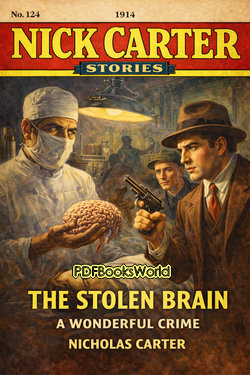
The Stolen Brain is another example of the wide range of cases found within the Nick Carter material available in the catalog. Titles such as this one suggest unusual problems that require investigation and persistence. The continuing presence of the same detective figure allows readers to encounter different situations while remaining familiar with the central investigator. Each case can introduce a new set of circumstances, suspects, dangers, and objectives while preserving the recognizable identity of the series.
This approach gives a detective series considerable flexibility. The investigator does not have to remain in one location or deal with exactly the same type of crime in every story. Instead, the central character becomes the connecting element between different adventures. For readers, that means a new book can offer a fresh mystery without requiring them to learn an entirely new detective from the beginning. The variety of cases also demonstrates how popular detective fiction could combine mystery with other elements such as action, travel, secrecy, and unexpected discoveries.
Ashton-Kirk and the Special Detective
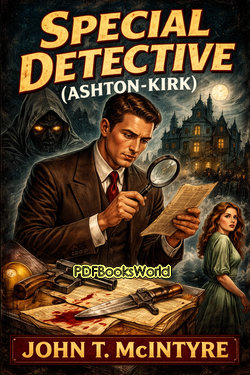
Special Detective (Ashton-Kirk) introduces another recurring investigator from the classic detective tradition. Ashton-Kirk belongs to a style of detective storytelling in which the central character is defined by investigative ability and involvement in unusual cases. The title itself emphasizes the detective role, while the continuing character format gives the story a place within a broader series tradition. For readers exploring detective fiction beyond the most famous names, Ashton-Kirk provides an opportunity to discover another investigator from the extensive world of early twentieth-century mystery writing.
The Ashton-Kirk stories are particularly useful when considering the variety of detective characters created during the development of the genre. Not every investigator was designed to follow exactly the same pattern. Different writers gave their detectives different personalities, skills, settings, and approaches to solving problems. A continuing figure such as Ashton-Kirk allows those characteristics to become more familiar over several stories. The series format also creates room for new cases and circumstances while keeping the central detective at the heart of the narrative.
Inspector Hanaud and the Mystery Novel
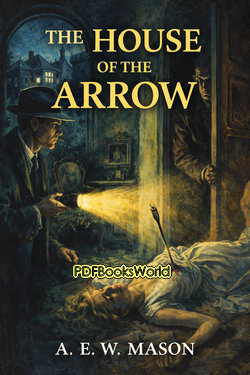
The House of the Arrow represents another branch of classic mystery writing through the work of A. E. W. Mason. The novel combines investigation with suspense and international intrigue, giving the mystery a broader setting than a straightforward local crime story. Inspector Hanaud is an important detective figure within Mason's fiction, bringing investigative experience to situations involving secrecy and uncertainty. The book shows how classic detective novels could expand beyond the basic puzzle and incorporate travel, atmosphere, danger, and complex relationships.
The wider setting is particularly useful because it demonstrates how mystery fiction can incorporate elements from other forms of storytelling. Investigation remains important, but the reader is also drawn into unfamiliar surroundings and situations where information may be difficult to obtain. The detective must work through uncertainty while the story develops its atmosphere of suspense. This combination makes the book a useful example of the flexibility of the classic detective novel and the different ways writers could construct a mystery around an investigator.
Charles Dickens and Early Detective Stories
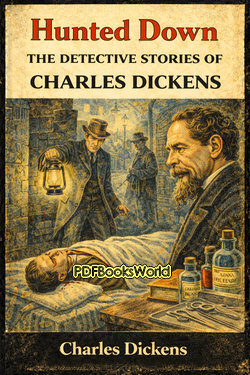
Hunted Down offers a different perspective because Charles Dickens's detective writing belongs to an earlier stage in the development of the genre. Rather than presenting a long-running detective series in the same form as later writers, Dickens explored crime, investigation, suspicion, and human motives through shorter detective-oriented stories. This makes his work useful for readers interested in seeing how mystery storytelling developed before the modern detective series became firmly established. The catalog also includes The Mystery of Edwin Drood, providing another opportunity to explore Dickens and the world of mystery.
These stories also show that detective fiction did not suddenly appear as a fully developed formula. Writers experimented with crime, investigation, hidden motives, suspicious characters, and the search for truth in different ways. Dickens's work provides an earlier literary perspective on these elements and helps place later detective series within a broader tradition. Readers can therefore approach the stories not only as mysteries but also as examples of how writers gradually developed techniques for creating suspense, uncertainty, investigation, and revelation.
Different Styles of Classic Detection
These books demonstrate that classic detective fiction was never limited to one formula. Sherlock Holmes emphasizes observation and deduction, Christie's mysteries focus strongly on clues and hidden motives, Nick Carter combines investigation with action, and other detective figures bring their own personalities and methods to the story. The differences are important because they show how writers adapted the detective format to different audiences and storytelling styles. Some mysteries are built around a carefully contained puzzle, while others allow the investigator to travel, confront danger, or become involved in a much larger adventure.
Recurring Investigators and the Appeal of a Series
One reason detective series remain attractive is the familiarity created by recurring investigators. Readers already understand something about the detective's personality, skills, and approach before a new case begins. The mystery can therefore concentrate on the new problem rather than spending many pages introducing the central character. Sherlock Holmes, Hercule Poirot, Nick Carter, and Ashton-Kirk illustrate different versions of this continuing-character structure. Each new case can bring new suspects, locations, motives, and evidence while preserving a recognizable investigative presence.
Clues, Suspense, and the Reader's Role
Classic detective stories also invite readers to participate in the investigation. A suspicious action, an unexplained object, a contradictory statement, or an unusual event may become important later in the story. Readers can attempt to connect these details before the detective reaches a conclusion. This creates a special relationship between the mystery and its audience. The reader is not simply watching events happen but is encouraged to consider possibilities, question appearances, and look for explanations.
Mystery Beyond the Crime
Although crime and investigation form the foundation of many of these books, classic detective fiction often explores much more. Stories can examine trust, deception, ambition, jealousy, family relationships, wealth, social position, identity, and fear. A detective may begin by investigating an apparently simple crime but gradually uncover a complicated network of relationships. This combination of human motives and intellectual investigation gives classic mysteries a wider appeal than a simple puzzle.
Exploring the Classic Detective Tradition
Readers who want to explore this tradition can move between different authors and investigators rather than staying with one series. Starting with a Sherlock Holmes mystery provides one approach, while an Agatha Christie investigation offers another. Nick Carter and Ashton-Kirk demonstrate the action-oriented and continuing-character sides of detective fiction, while Dickens and Mason provide different forms of mystery storytelling. Exploring these books together makes it possible to see how the detective figure changed across different writers and periods.
The Continuing Appeal of Famous Investigators
The most memorable detective characters remain interesting because they give readers a familiar guide through an unfamiliar mystery. Their skills, personalities, and methods provide continuity, while each new case creates uncertainty. The books available in the PDFBooksWorld catalog demonstrate this variety through detectives and detective traditions associated with Arthur Conan Doyle, Agatha Christie, Nicholas Carter, John Thomas McIntyre, A. E. W. Mason, and Charles Dickens. Their stories offer different combinations of investigation, suspense, adventure, and character.
Discover Classic Detective Books at PDFBooksWorld
PDFBooksWorld brings together a broad selection of classic mystery and detective books for readers who enjoy investigations, unusual cases, recurring characters, and stories built around hidden clues. From The Mysterious Affair at Styles to Nick Carter adventures and other detective works, the collection provides many ways to explore the development of classic mystery fiction.
Readers can continue exploring the wider Book Series collection to discover other classic series built around recurring characters, continuing adventures, and memorable literary worlds.